Powering Saudi Arabia's clean energy future

Advanced lithium-ion battery manufacturing to drive the energy transition, industrial growth and sustainable mobility.
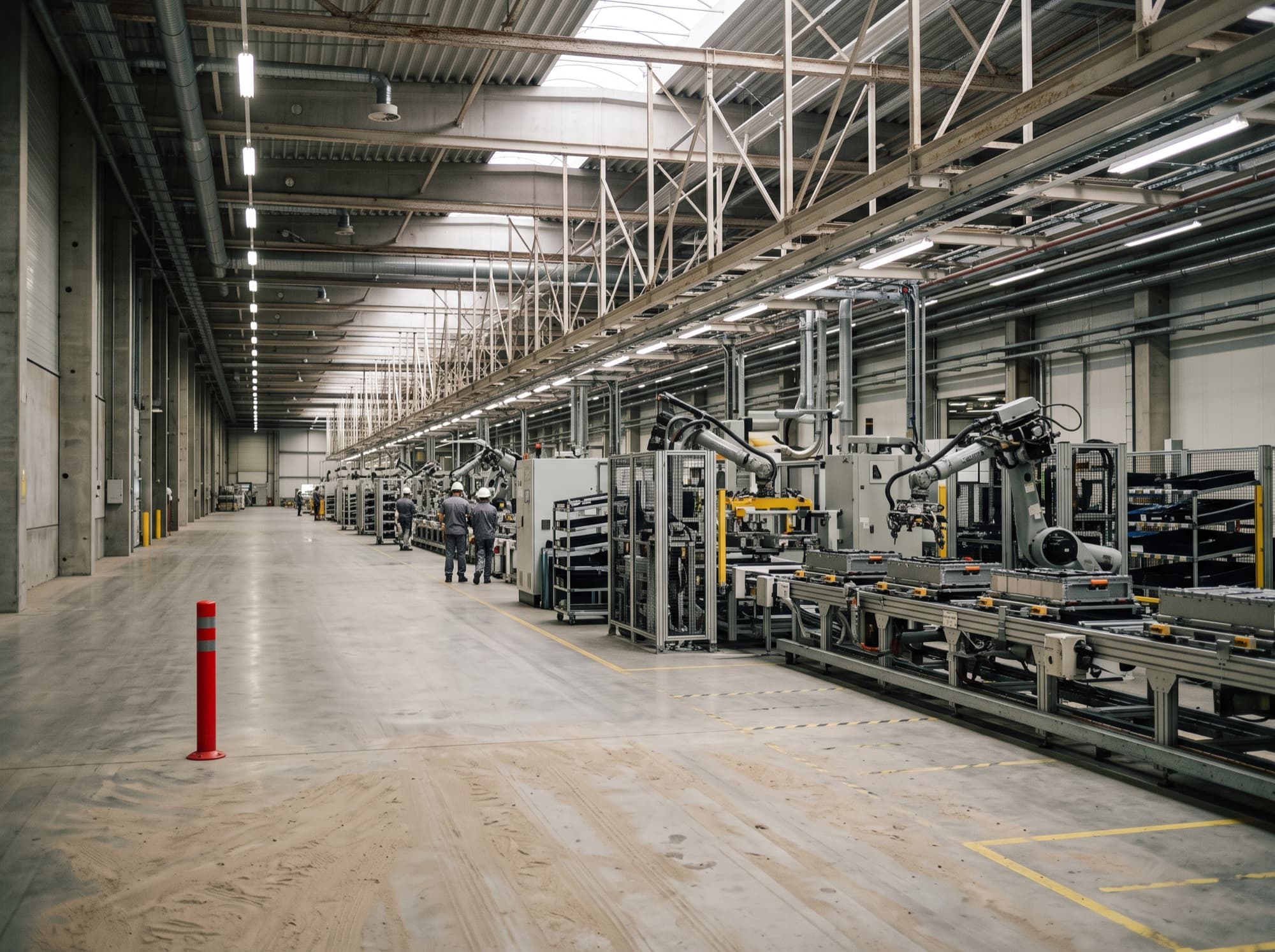
Powering Saudi Arabia's clean energy future

USD 150M

Estimated initial investment

1.5 GWh

Base case annual capacity

25-30%

Projected IRR

25 Years

Project life

15.4%

Market CAGR

2024 to 2030

5 Million MT

Lithium demand by 2030

29.1%

Revenue CAGR

2024 to 2030

27.8%

Residential storage CAGR

Where the cells go
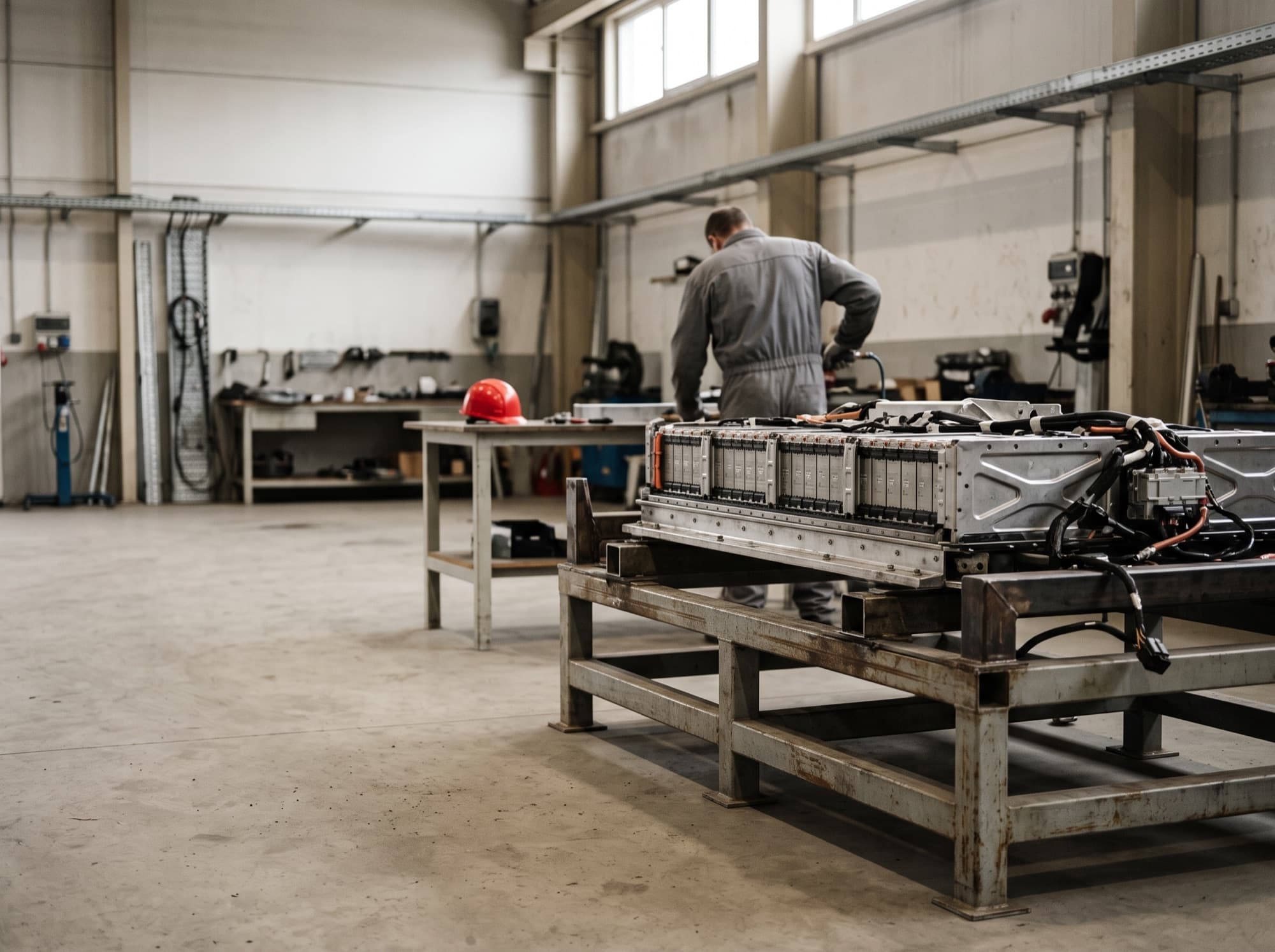
Five application segments carry the demand

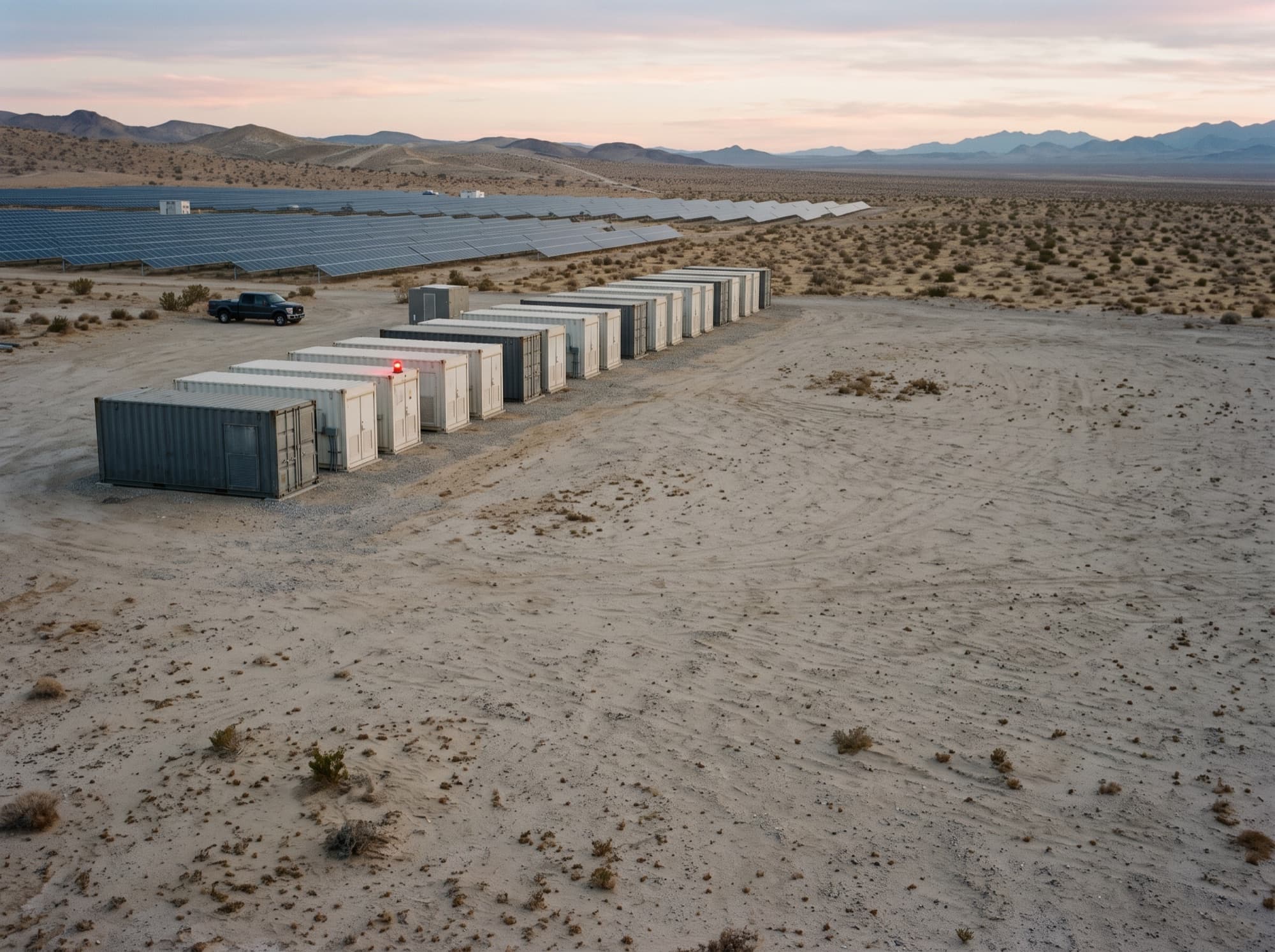
Energy storage

Energy storage

  • Grid-scale storage
  • Renewable integration
  • Backup power
Automotive

Automotive

  • Electric vehicles
  • EV battery systems
  • Mobility solutions
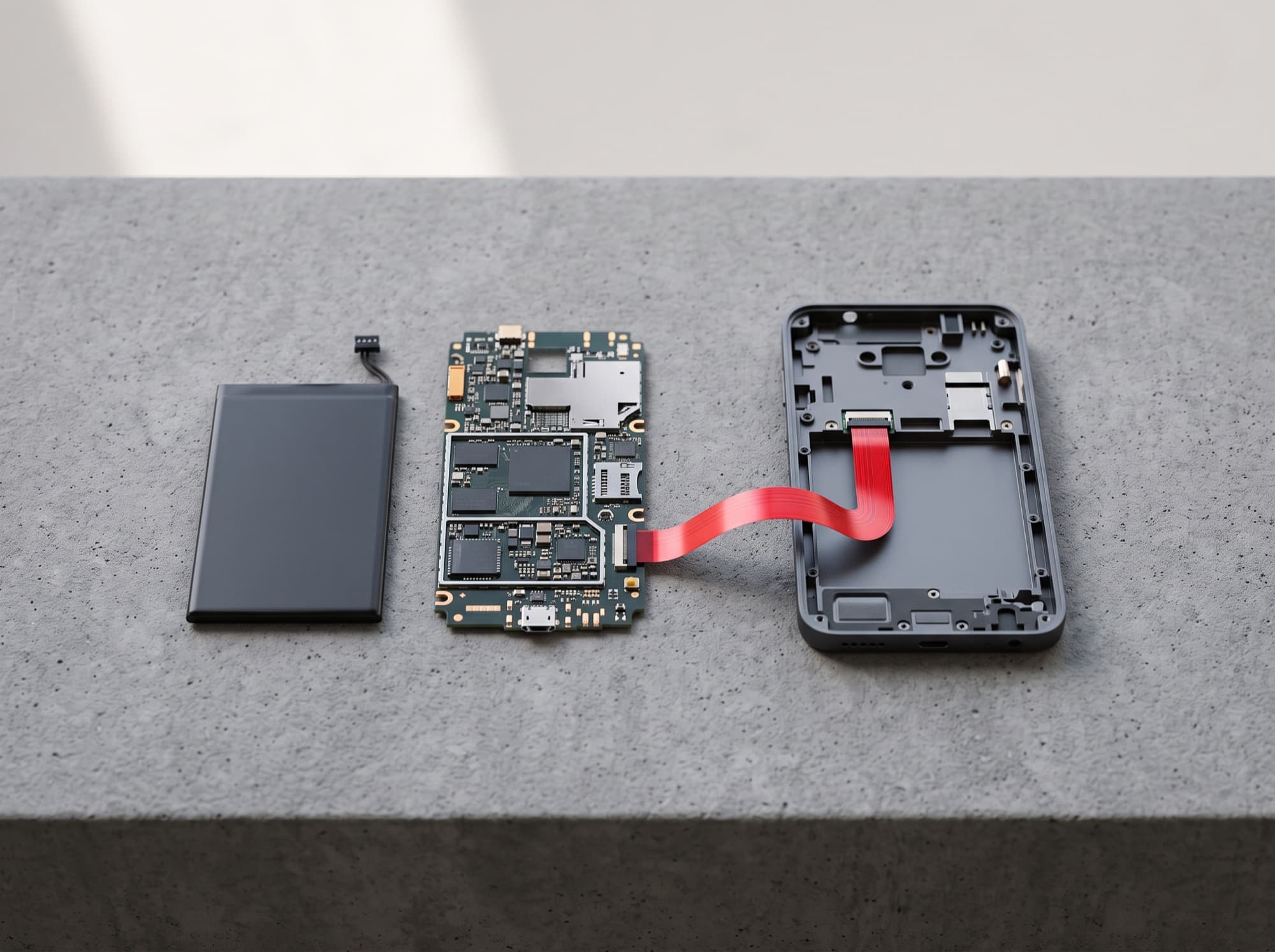
Electronics

Electronics

  • Consumer electronics
  • Portable power
  • Smart devices
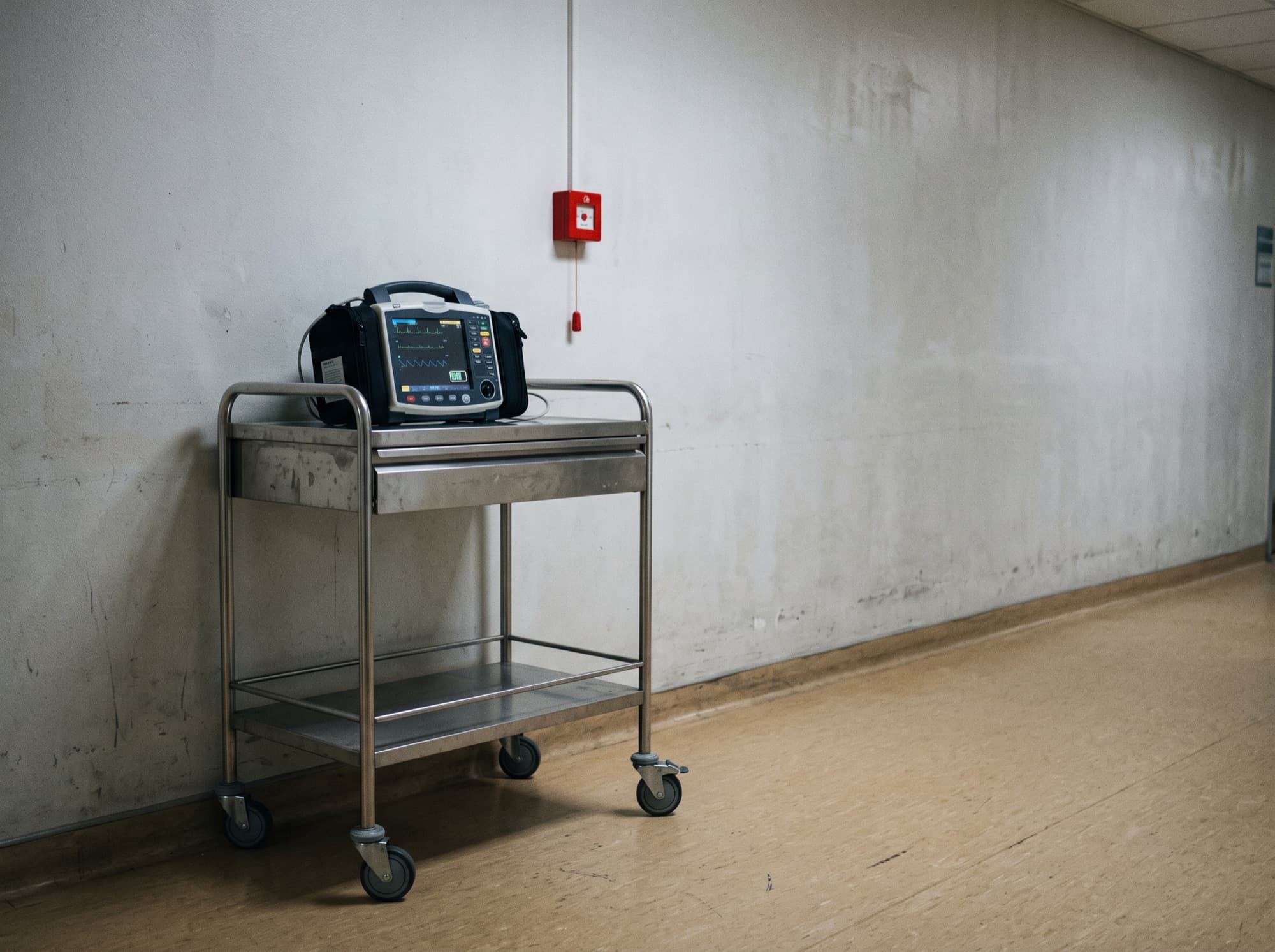
Healthcare

Healthcare

  • Medical devices
  • Portable equipment
  • Backup systems
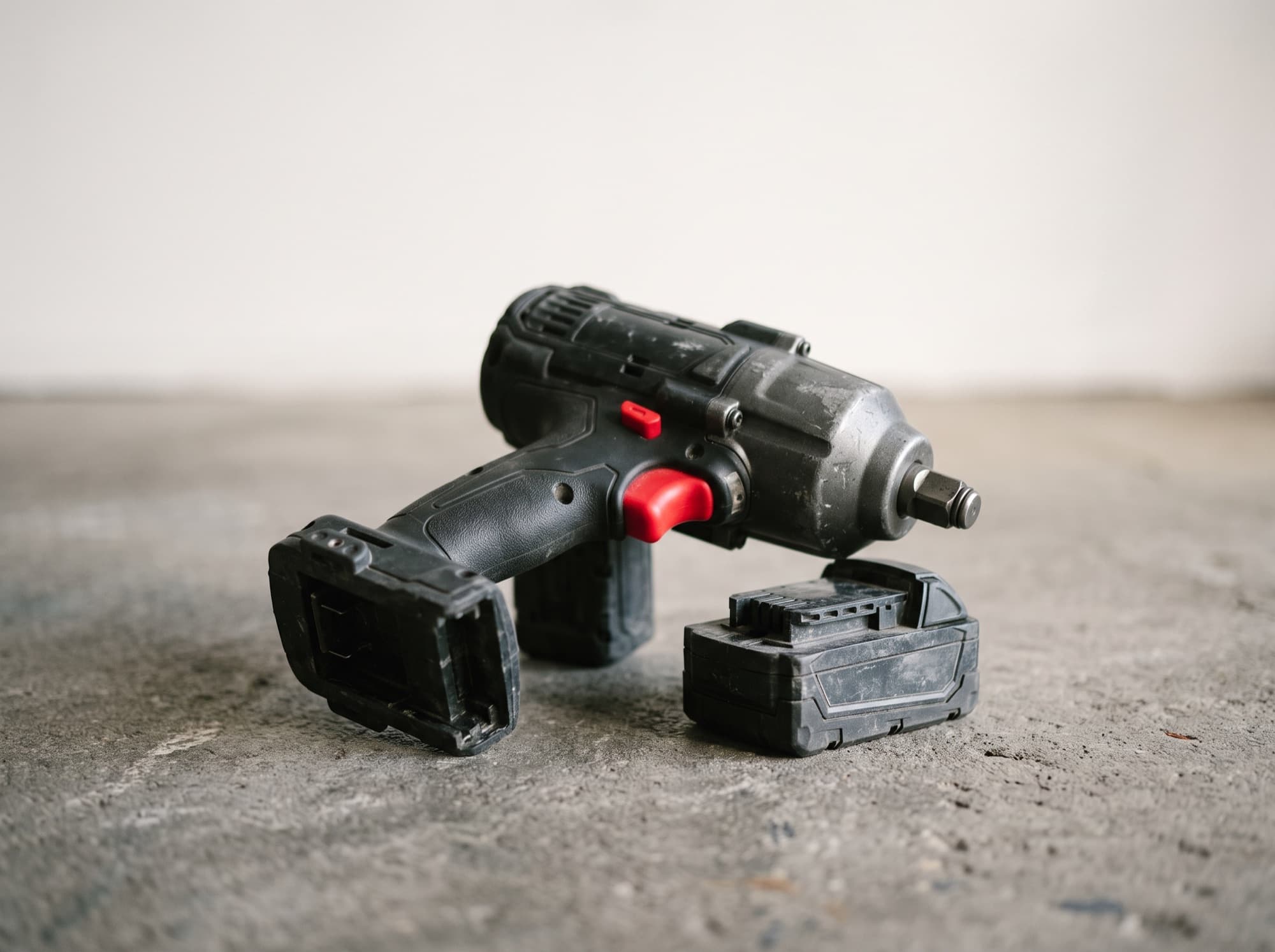
Power tools

Power tools

  • High performance packs
  • Industrial and trade use

Energy density is the whole argument

Cells today deliver 200 to 300 Wh per kilogram, with 400 and above within reach. That headroom is what turns storage from a grid accessory into infrastructure, and the Kingdom is securing lithium supply to match. Domestic demand is set to climb from under 750,000 metric tons in 2020 to more than 5 million by 2030.

400+ Wh/kg

Future potential energy density
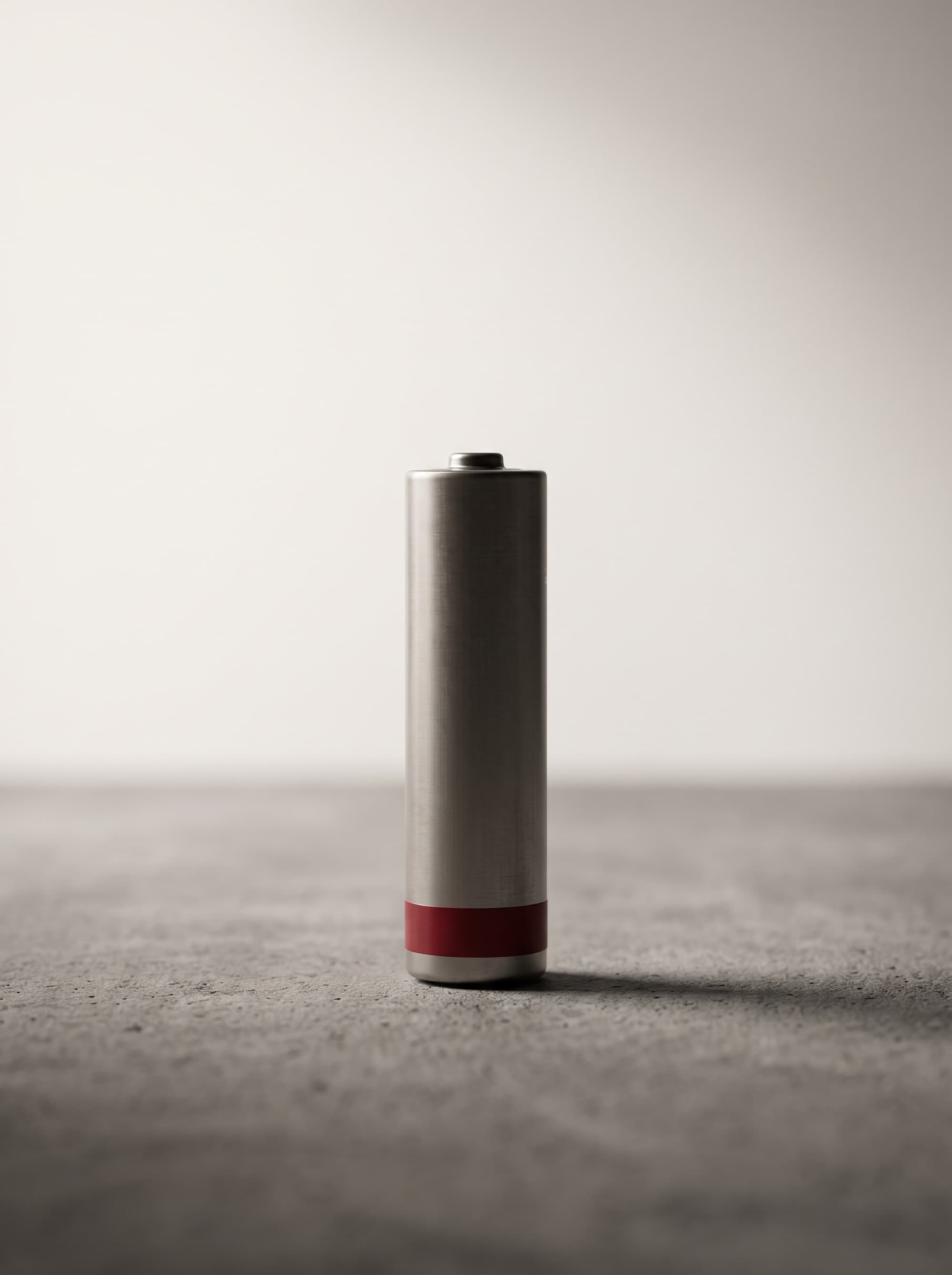
Energy density is the whole argument

Base case at year three, ninety percent utilisation

USD 162M

Annual revenue

USD 29.7M

EBITDA

33.33%

Gross margin

6-8 Years

Payback period

Full breakdown
Annual production
1.35M kWh
Cost of goods sold
USD 108M
Gross profit
USD 54M
Net profit
USD 16.16M
EBITDA margin
13.39%
Net present value
USD 25-40M
Profitability index
1.7-1.9
Long-term ROI
60%+
Broad investment range
USD 50-200M+
Profit margin
20-40%

From site selection to market expansion

  1. Before ground breaks

    Site selection and approvals

    Location assessment, permitting and regulatory clearance.

  2. Design stage

    Plant design and engineering

    Process design, plant layout and equipment specification.

  3. Build stage

    Equipment installation

    Automated production lines, PLC control and robotics in critical zones.

  4. Year 1, 50% utilisation

    Trial production and testing

    Commissioning, quality validation and yield tuning.

  5. Year 2, 75% utilisation

    Commercial production

    Output ramps against firm offtake as the line stabilises.

  6. Year 3, 90% utilisation

    Scale and market expansion

    Base case capacity reached and served beyond the initial segments.

Built for the energy transition

  • Strategic location in Saudi Arabia
  • Strong government support for local manufacturing
  • Access to global raw materials
  • Growing demand from electric vehicles and renewables
  • Competitive returns and long-term value